“This isn’t a distressed market — it’s a mispriced one."
Too many people read today’s senior housing market as distressed. It is not. With construction at historic lows and the largest demographic wave in U.S. history about to crest, what we are really seeing is a mispriced market — one where current valuations do not yet reflect the certainty of future demand.
Senior living construction is at the lowest level in the industry’s history, with less than one percent of total inventory under construction in Q2 2025. At the very same time, the largest demographic cohort ever recorded is entering the age range with the highest care needs.
In 2026, the first Baby Boomers turn 80. By 2030, 20 percent of Americans will be 65 or older, and half of those over age 85 will require daily support. Supply in multiple markets is shrinking due to closures and conversions, while demand is becoming a demographic inevitability rather than a lifestyle preference.
Why Secondary and Tertiary Markets Are Leading the Way
Consider Lakeland, Florida — a 2.1 percent penetration rate (NICMAP), making it one of the highest-demand markets in the country. Communities along the I-75 and I-95 corridors are already experiencing the early waves of what has long been called the “Silver Tsunami.”
Why now? Baby Boomers in secondary and tertiary markets have aged into care needs later than their peers in major metros. Large MSAs typically saw early adoption of age-targeted options such as 55+ communities, senior apartments, and broader care availability. Smaller, nonmetropolitan areas historically relied on family care or limited local resources. As these markets now confront a rapidly aging population with fewer existing options, demand is accelerating—sometimes sharply.
These markets also offer operational synergy. Owning multiple communities in a contiguous regional network — a form of “regional care ecosystem” — creates meaningful efficiencies:
-
Shared labor pools
-
Vendor leverage
-
Centralized support and management infrastructure
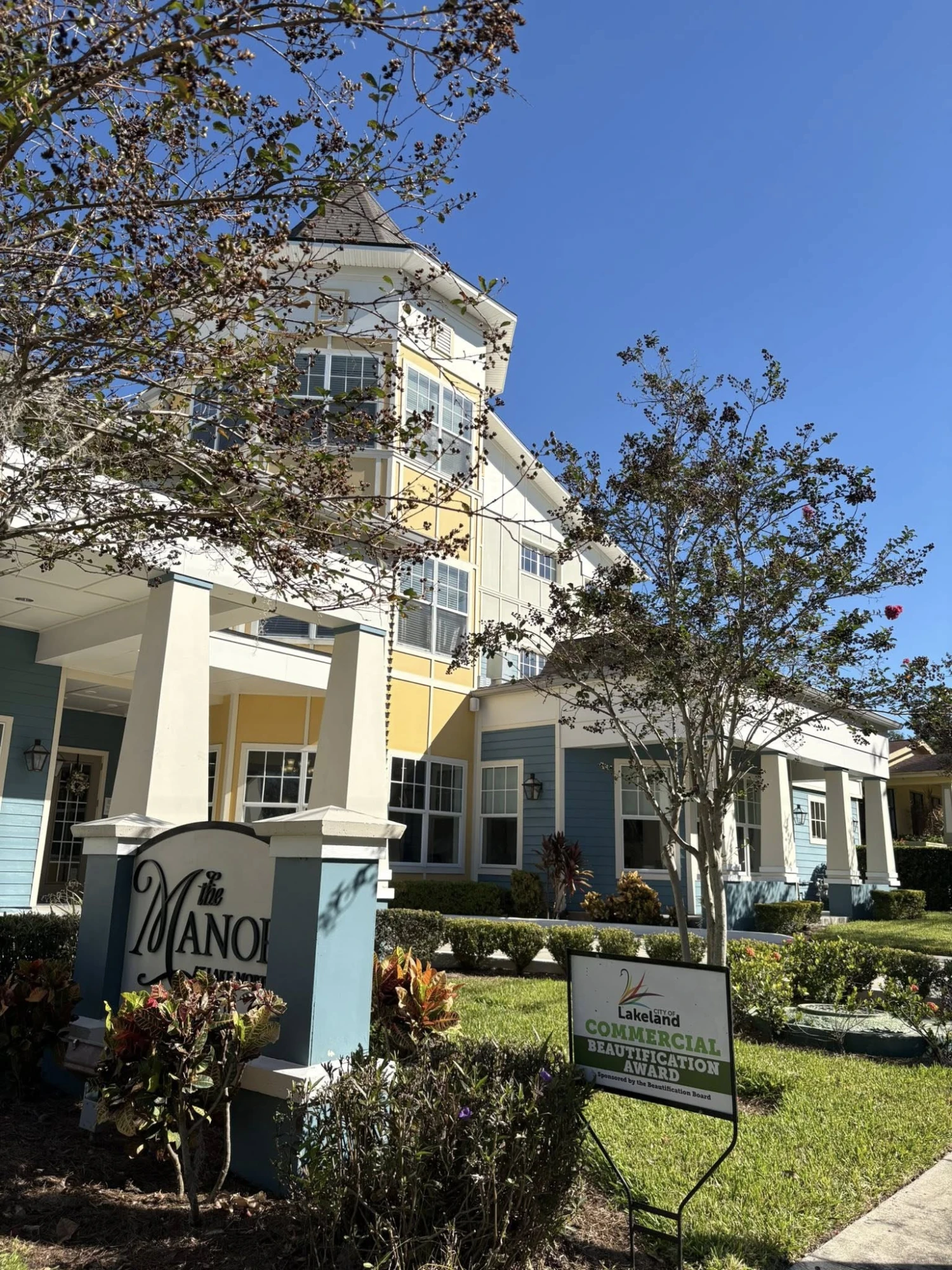
In Lakeland alone, Mainstay owns seven communities, giving us scale that enhances responsiveness, resource allocation, and performance stability.
From the Old Model to the New
The Old Model
-
Minimal GP equity, often less than five percent
-
Rapid lease-up to 85–90 percent occupancy
-
Short hold periods of two to four years
-
Asset sale once stabilized NOI appeared attractive on paper
This approach created transactional wins but often produced instability. New owners inherited higher debt service, weaker culture, and turnover in leadership and frontline staff — all of which erode long-term performance.
The New Model
Mainstay’s vertically integrated approach reflects a different mindset:
-
Long-term holds rather than fast exits
-
Alignment of incentives through meaningful GP investment
-
Cultural continuity across leadership, staff, and resident experience
-
Operational stewardship instead of transactional management
Returns are tied to the sustained performance of the community — financially, operationally, and culturally.
Innovating the Product
Augmented Independent Living
Independent Living communities enhanced with third-party healthcare partners who provide custodial and supportive services onsite. This approach:
-
Enables residents to remain in IL longer
-
Stabilizes occupancy
-
Reduces move-outs
-
Creates a lower-cost alternative to traditional assisted living
Flex Conversion
Purpose-built flexibility to adapt between care models based on market shifts:
-
IL to MC when cognitive-care demand rises
-
AL to IL when markets favor independent living
This adaptability reduces exposure to single-product risk and extends the economic life of an asset.
Care Communities
These environments blend hospitality and healthcare, offering the comforts of home with the safety, dignity, and oversight of modern clinical care. This reframes senior housing from “decline management” to a lifestyle of connection, wellness, and meaning.
Capital Tailwinds Are Returning
Debt markets are thawing. SBA-backed programs are active. Local banks are re-engaging in redevelopment and value-add scenarios.
Current opportunities include:
-
Adding IL villages, townhomes, and apartments to existing campuses
-
Leveraging strong Medicaid programs in Florida, North Carolina, and Tennessee
-
Designing communities that reduce labor intensity without reducing care quality
Why Now Matters
Competition in new development is historically low. Absorption over the next decade is not a question—it is a given. Operational synergy strengthens returns and helps insulate against market cycles. For those willing to align financial return with human return, this moment represents one of the most strategically significant windows the sector has seen in decades.
The Silver Tsunami is no longer coming — it has already begun. The real question is whether we are prepared to respond with courage, clarity, and momentum.
What are you seeing in your markets?
Where is demand accelerating the fastest?
How are you approaching development in today’s capital climate?
-----
About the Author: Tod Petty serves as Chief Investment Officer at Mainstay Financial Services & Mainstay Senior Living, guiding capital strategy and investor relations. He authors The Build Series—a collection of insights designed to bring clarity and discipline to senior housing investment.