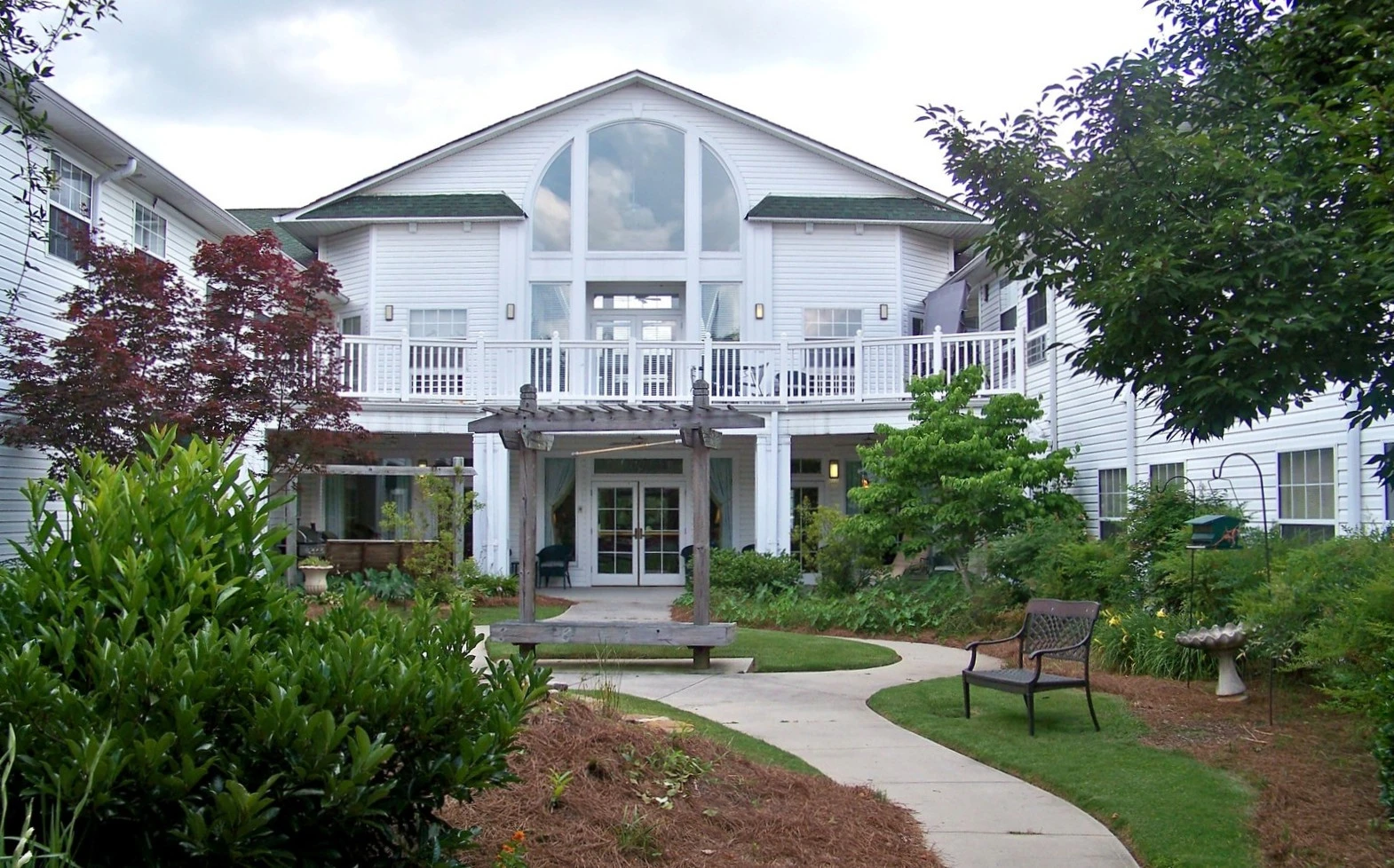
In 2000, I helped co-develop Augusta Gardens in Augusta, Georgia, and moved into a 400-square-foot apartment inside the community. I lived there for 18 months, from opening through stabilization. I worked on hiring and training, licensing, and preparing apartments for move-in. Some nights, I painted and cleaned carpets so apartments would be ready for residents. I also cooked, cleaned, and sang karaoke with residents.
I saw the work required to open a community and the daily life residents encountered after move-in. I ate the meals, heard the rhythms of the building, and listened as residents talked about what mattered to them. That experience left me with a question I still bring to operating reviews and investment decisions: What is happening inside this building today that will show up in its financial results tomorrow?
Financial analysis is essential, but it cannot explain every signal on its own. Experience helps us recognize patterns and know where to look. Intuition may alert us to a concern; discernment tests that impression against what residents and staff say, what we observe, and what the operating data shows. Imagination helps us see not only what a community is today, but what it could become with different leadership, investment, or operating choices.
More than two decades as a president, COO and CEO, followed by my work as an investment executive, have reinforced that connection. A pro forma may assume stable staffing, responsive maintenance, regulatory readiness, resident retention, and a consistent resident experience. Each assumption depends on people, decisions, and systems inside the community.
The opportunity is to pair tried-and-true operating disciplines with thoughtful innovation grounded in residents' lives. That combination can renew daily community life and strengthen the operating plan behind the investment.
For investors, lenders, and capital partners, these are not separate from the underwriting. They are the conditions that determine whether the operating plan behind the numbers can be carried out.
Resident Experience Can Shape Operating Performance
It is easy to offer activities and still miss residents. A full calendar measures what the team offered; participation, feedback, and observation help show whether those offerings matter. The better question is whether residents recognize their own interests, histories, and aspirations in community life.
At Augusta Gardens, I sold some old furniture, bought a television, mounted it on the wall, and connected it to my computer to display photographs I had taken of residents. It was my version of digital signage. The technology was simple, but the idea has stayed with me: residents should see their own lives reflected in the community.
Doing that well takes conversation, observation, and a willingness to adjust as the resident population changes. Music, sports, art, theater, digital displays, dining, and the other sights and sounds of a community should reflect the people living there now, not assumptions based on age alone. The atmosphere a team creates is part of the experience residents receive.
Innovation does not have to mean expensive technology. It may be a more thoughtful use of a screen, dining room, courtyard, program, or conversation. The test is whether it improves residents' daily lives and helps staff deliver a more thoughtful experience. A full calendar is an input; resident response is evidence about relevance.
The Building Is an Operating Report
Donald T. Phillips's Lincoln on Leadership helped me connect Abraham Lincoln's practice of going directly to people and places with the modern idea often called management by walking around. Lincoln's 1862 visit to Antietam had a specific military purpose: pressing General George McClellan to pursue Robert E. Lee's retreating army. The context was very different from senior housing. The useful parallel is that leaders can understand conditions more clearly when they see them and hear from people firsthand.
For community leaders, the practical lesson is simple: walk the building every day. A community walk is not a ceremonial lap; it is part of the operating rhythm. It helps leaders see how the building functions, listen to residents and staff, and notice where conditions may be diverging from the reports reaching the office.
Repeated work orders, delayed repairs, rushed service, unusual odors, unanswered requests, or visible staffing gaps each warrant attention. None is a diagnosis by itself; each is a signal to investigate. Deferred repairs can become urgent capital needs. Coverage gaps can drive overtime or agency expense. Service failures can affect resident retention and referrals. Walking, listening, and following through can surface causes while there is still time to respond.
The regulatory record provides another external lens. Where states make survey and complaint reports available, they can reveal recurring patterns that internal teams may overlook. Those records do not necessarily capture every event or its full context, so they should be read alongside resident feedback, staff experience, work orders, labor data, occupancy, and operating margin. Regulatory reports are evidence to examine, not a final verdict. They can also help pressure-test the weaknesses and threats in an operational SWOT analysis.
People and Accountability Shape the Result
Workforce stability has a cost. Recruiting and replacing people involves more than hiring expense; vacancies, overtime, agency coverage, lost experience, management time, and inconsistent service can all affect the operating model. Compensation, benefits, scheduling, incentives, development opportunities, and leadership should be assessed as parts of the workforce model rather than as isolated expense lines.
No compensation structure guarantees retention, so the operating data matters. Turnover, vacancies, overtime, and agency utilization should be examined alongside service quality and resident feedback. The objective is not simply to spend more or less on labor; it is to determine whether the staffing model assumed in the underwriting is sustainable.
Accountability matters just as much. As a portfolio grows, no single executive can hold every relationship or make every decision. Community leaders need clear responsibility and enough authority to act. Regional and support teams need to stay connected to the building so they can help solve problems before those problems compound. When an issue has an owner, a next step, and follow-through, small problems are less likely to become larger costs or weaken resident confidence.
A résumé tells us where a candidate has worked, but it cannot tell us exactly how that person will respond when senior housing demands converge: resident care, family expectations, staffing, hospitality, regulation, financial performance, and stewardship. Interviews and references help reduce uncertainty, but they cannot eliminate it. Hiring for judgment, humility, ownership, and commitment matters; so does creating an operating environment in which those qualities can guide the work.
Underwrite the Operating Plan
We routinely underwrite basis, capital requirements, occupancy, labor, repairs, and exit assumptions. The operating assumptions behind those numbers deserve the same attention. Who owns execution? What level of team stability does the model require? How will resident preferences shape the experience? What maintenance or regulatory patterns need to be addressed? Which measures will show whether the plan is working?
These questions have financial consequences whether or not they appear as individual lines in a model. Occupancy depends in part on resident retention and referrals. Labor assumptions depend on staffing stability and management execution. Capital needs can change when routine maintenance is deferred or small problems go unresolved.
For investors and capital partners, the diligence process should test both the numbers and the operating plan expected to produce them. Name the owner. Choose the measure. Set a review cadence. That is how underwriting assumptions become operating responsibilities.
Senior housing returns are shaped by decisions residents and employees experience every day. The operating statement records the outcome; the underwriting case should explain how the community will produce it.
Sources and Further Reading
About the Author
Tod Petty is Chief Investment Officer at Mainstay Financial Services and Mainstay Senior Living. He has more than two decades of experience as a president, chief operating officer, chief executive officer, and chief investment officer across senior housing and healthcare real estate. His writing examines the intersection of capital, operations, leadership, and strategy in senior housing and healthcare real estate.
Editorial Disclaimer
This article presents opinion and industry analysis informed by the author's experience in senior housing operations and real estate investment. It is for informational purposes only and does not constitute an offer to sell or a solicitation of an offer to purchase any security. Investment opportunities, if any, are offered only through formal offering materials.